
中国机器人服务全球
2026/9/296浏览
国家统计数据显示,今年上半年中国向全球160个国家和地区出口机器人超过12万台,总出口额达24.85亿元。在全球范围内,每10台人形或四足机器人中就有8台由中国制造。
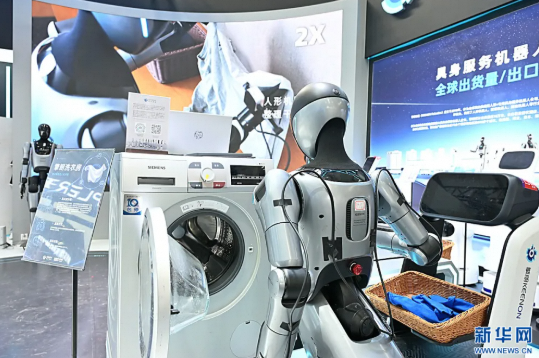
国家统计局数据显示,今年上半年我国各类机器人累计出口超1200万台,出口总值248.5亿元,远销全球160多个国家和地区。在全球每售出10台人形和四足智能机器人中,就有8台产自中国。海关总署副署长王军表示:“国产机器人已成为外贸出口的‘新名片’。”近年来,中国机器人产业实现跨越式发展,出口规模持续扩大,已广泛应用于全球生产与生活场景。
Global Expansion Across All Categories
As the largest category of robots going global, cleaning robot exports reached 140 billion yuan in the first 5 months of this year, accounting for over 70% of total robot export value. The core competitiveness of domestic cleaning robots lies in achieving full-chain technological independence and controllability—including navigation algorithms, intelligent obstacle avoidance, automatic dust collection, and smart washing/care—while precisely meeting the high-frequency cleaning needs of large European and American homes and supermarkets. They also adapt well to the hot and humid climate conditions in Southeast Asia. With many countries facing aging populations and labor shortages in household chores, combined with the growing adoption of smart home devices and rising consumer purchasing power, domestic cleaning robots fill this gap perfectly, becoming a preferred choice for overseas consumption upgrades.
智能仿生机器人出海势头强劲。自今年1月新增独立海关税号以来,智能仿生机器人和清洁机器人获得了国际贸易“身份证”,通关更加便捷。今年上半年,智能仿生机器人出口量超万台,销往全球90多个国家和地区。摩根士丹利报告预测,2026年中国人形机器人销量将实现翻倍,约达2.8万台。人形机器人有望继新能源汽车、锂电池和光伏之后,成为中国下一个千亿级出口支柱。
在工业机器人领域,2025年中国工业机器人出口同比增长48.7%,首次实现全年出口额超越进口,迎来历史性转折。上半年出口额达62.9亿元,同比增长18.6%,产品销往全球141个国家和地区。以深圳优艾智合为例,其研发的工业移动操作机器人已出口至日本、韩国、德国等30多个国家和地区,在半导体、能源化工等高端工业场景中发挥关键作用。
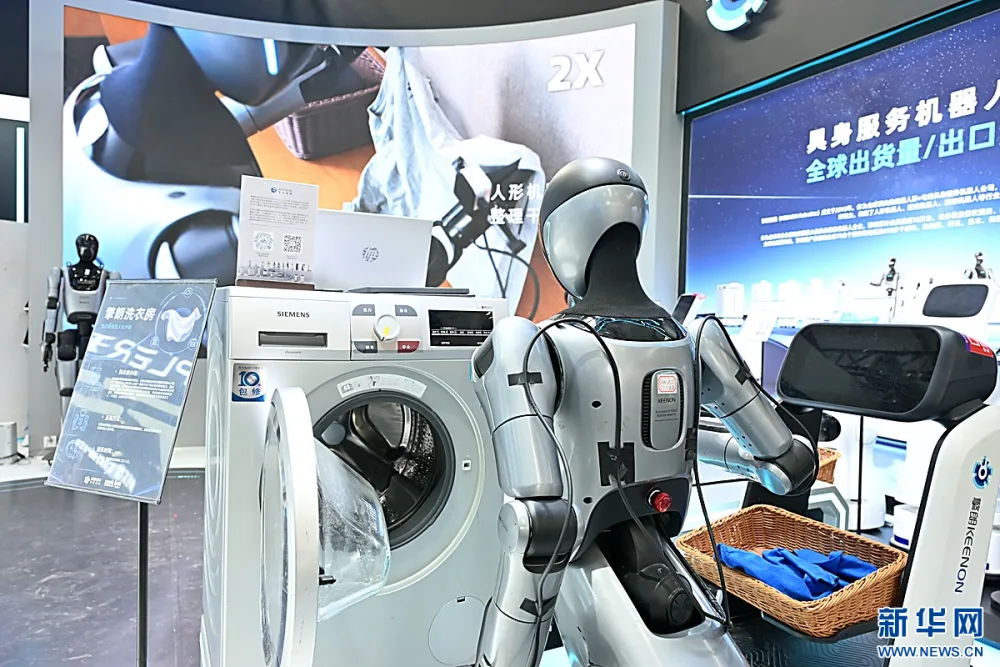
夯实技术基础,赋能业务场景,凝聚全链合力
Behind the impressive export figures lies China's robotics industry, built on years of technological accumulation, continuous scenario iteration, and a complete supply chain advantage. In recent years, the government has supported fundamental research, key technology development, and innovative product creation in the robotics sector through research grants and by leveraging national government investment guidance funds. Many enterprises have persisted in independent R&D, solidifying the technological foundation for going global.
从汽车焊接、电子装配等传统工业场景,到仓储分拣、医疗辅助、应急救援等新兴领域,各类技术路线在中国均能找到真实的落地验证空间,通过解决实际问题不断迭代优化、优胜劣汰,最终打磨出成熟可靠的产品方案。在今春广交会“先进制造”展区,一款名为 LAVA 的厨房机械臂备受瞩目——在高温高湿的油炸环境中,它能精准识别食材、自动翻炒调味,甚至完成餐品打包,直击海外餐饮市场的现实痛点。

丰富的应用场景是我们的独特优势,而全产业链能力则是最坚实的后盾。截至目前,中国机器人产品已覆盖国民经济71个行业大类和241个行业中类,多元化供给优势显著。在国内区域分工方面,协同效应高度成熟:北京专注于机器人“大脑”与“小脑”技术的研发与迭代;长三角地区擅长精密零部件、模组及传感器的研发制造;珠三角则在硬件本体、外壳加工和整机组装方面占据优势。正是凭借贯通上下游的产业链能力,中国企业在海外市场上才能同时兼顾产品迭代速度与成本竞争力。
Unlike traditional physical goods, exporting robots often requires more than just selling the hardware; it demands a solution that ensures long-term, stable operation. Chinese enterprises are now proactively providing overseas clients with end-to-end customized solutions spanning production line planning, automation retrofitting, system integration, remote operations and maintenance, and software iteration. They are gradually building localized industrial service networks in their target markets.
有望持续为全球机器人产业注入新活力
从美加墨世界杯赛场的智能安保,到日本羽田机场的行李搬运;从瑞士核电站的自主巡检,到巴西医院的医疗服务——中国机器人在全球热销的意义,早已超越单纯的产品输出。长期以来,全球机器人产业发展面临两大瓶颈:技术研发与市场应用脱节、高端产品成本高企难以普及。依托完整的产业链优势与快速落地服务能力,中国机器人产业为全球制造业降本增效、推动智能化普惠发展提供了成熟方案,助力全球机器人产业从技术垄断走向开放共建、互利共赢。
出海之路亦是成长之路。海外严苛的认证标准、复杂的应用场景,以及与国际头部企业的正面竞争,倒逼中国机器人企业在安全性、可靠性及智能化水平上持续精进。截至目前,中国机器人产业链相关企业已超116.5万家,今年新增约14.4万家,主要聚焦算法研发、系统集成与场景解决方案等领域。
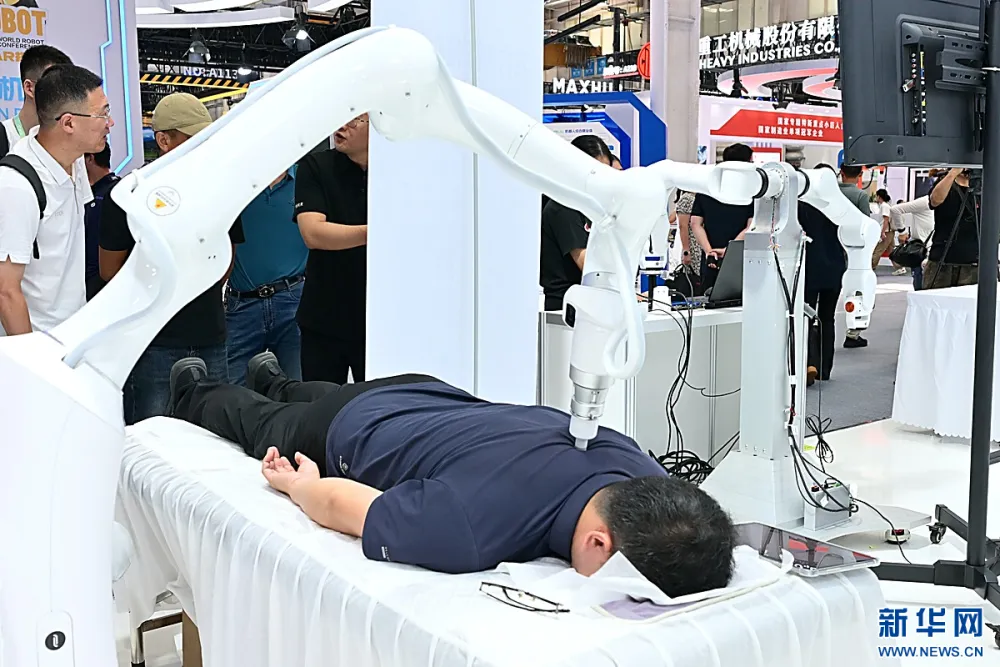
正如国际机器人联合会主席伊藤孝幸所言:“中国机器人产业正不断拓展应用场景、提升技术水平,这不仅重塑了中国制造业,也为全球机器人产业注入了新活力。”毋庸置疑,中国机器人将持续实现技术突破,为全球智能制造升级提供更强支撑。